Premier Inn vs Travelodge Cost Comparison UK 2026
By the StayCompare Editorial Team — reviewed for accuracy. Last updated October 2026. This article is for informational purposes and reflects typical market pricing; verify current rates and terms at the point of booking.
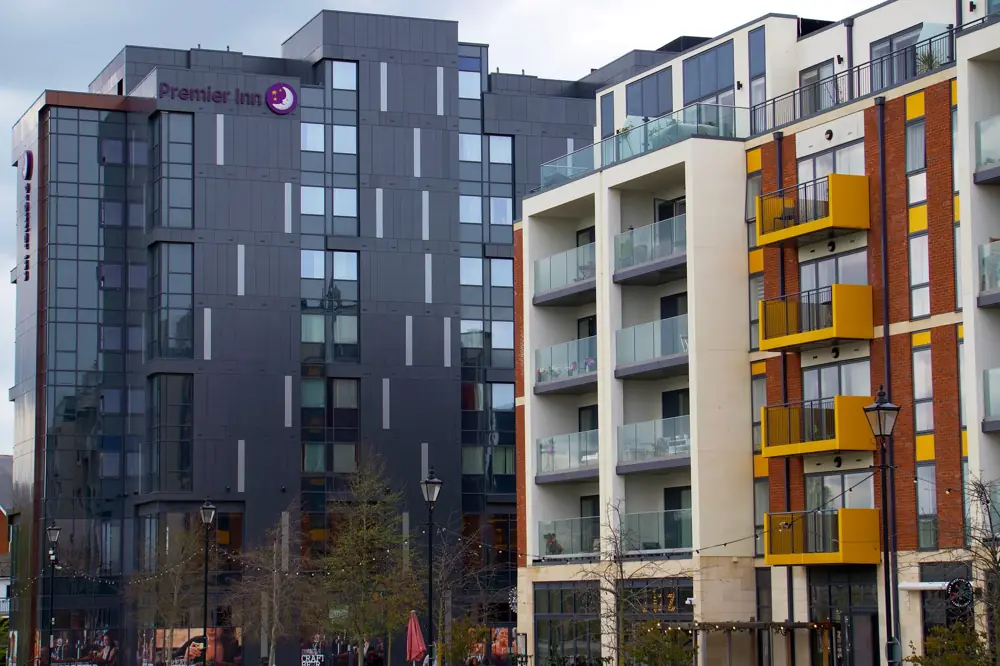
Premier Inn and Travelodge price the UK budget-hotel duopoly: the two flags the roadside-and-city economy runs on, at rate bands the British value traveler genuinely compares night after night.
This guide compares Premier Inn and Travelodge costs for 2026: the rate structures by market-and-season, what each delivers at the matched price, and the booking structures the UK market honestly runs.
What This Guide Covers
- Understanding the topic and how pricing works
- The main categories and how they compare
- Three realistic scenarios with real numbers
- A sample budget breakdown
- Practical strategies to control costs
- Common risks and how to avoid them
- Best practices and ongoing habits
- Frequently asked questions
Understanding Premier Inn vs Travelodge Cost Comparison UK
The 2026 structures: Travelodge runs £45–$90 standard (the £100+ London-and-peak structures); Premier Inn runs £55–$110 standard with the flex-and-saver rate structure the booking discipline prices. The Premier premium runs £8–$15 nightly at matched market — the bigger beds (the Premier king-standard the Travelodge double honestly trails), the more consistent refurbishment, the better breakfast structure (the £10-and-under Premier full-English the Travelodge £9-and-under comparison).
The booking structures the UK market runs: the saver rates (the non-refundable pricing both flags carry at £20–$40 under flex) the certainty discipline prices; the price-match structures (the Premier best-price the booking habits capture); the location density (the city-and-town coverage the network structures differently deliver). The patterns: the business-and-city nights price the Premier consistency the premium honestly earns; the family-road-trip nights price the Travelodge value the bigger-picture family budget genuinely favors; the London structure prices the zone arithmetic both flags the location premium the market honestly charges.
As a working planning number for the United Kingdom in 2026, the typical range sits at £32–£100 — with the categories and scenarios below explaining what moves a specific case up or down that range.
Key Categories and Options
The main approaches and how they compare on cost, convenience and use case:
| Category / Type | Description | Common Use Case | Cost / Effort Level |
|---|---|---|---|
| Travelodge standard | The UK value floor | Budget-and-family road travel | £45–£90/night |
| Premier Inn standard | The consistency-plus structure | Business-and-city nights | £55–£110/night |
| Saver-rate structures | The non-refundable economy | Certain-plan travelers | £20–£40 under flex rates |
The right choice depends on the scenario that matches your travel pattern — the three below cover the situations most travelers actually face.
Three Realistic Scenarios
The family road-trip week
A family week running regional properties.
- Travelodge family nightly — £43–£61
- Premier comparison nightly — £50–£72
Why this matters: the family week prices the Travelodge floor — the £70–$105 weekly the value structure the family budget genuinely favors.
The city business nights
Three city nights the consistency premium prices.
- Premier nightly — £61–£79
- Travelodge comparison — £50–£68
Why this matters: the business nights price the Premier — the refurbishment-and-breakfast the £10–$15 premium honestly earns.
The saver-rate discipline
The certain-plan traveler the non-refundable structure serves.
- Flex rate comparison — £0.0–£0.0
- Saver capture — £14–£29
Why this matters: the saver discipline prices certainty — the £20–$40 the certain plans honestly capture per night.
The scenarios differ mainly in scope and commitment level — the same decision logic applies at every scale.
Sample Budget Breakdown
The table below shows how a typical mid-range budget for premier inn vs travelodge cost comparison uk distributes across the main cost lines. Adjust the percentages to your own plans before using it as a savings target.
| Category | Estimated Amount | Explanation | Optimization Tip |
|---|---|---|---|
| Nightly by flag and market | £32–£100 | UK budget bands | The £8–$15 Premier premium the consistency honestly prices |
| Breakfast structures | £6.48–£7.92 | Per person, daily | The full-English comparison the morning question runs |
| Saver-rate capture | £14–£29 | Per night under flex | The certainty discipline the booking calendar prices |
Figures are indicative 2026 market ranges. Program terms, taxes and rates change — verify totals at the point of booking.
Practical Strategies to Control Costs
Cost control on premier inn vs travelodge cost comparison uk is mostly about information habits. These are the strategies that consistently deliver the largest savings:
Compare room sizes, not just rates
The same price buys 14 m² at one brand and 24 m² at another in the same city — the square-meter comparison the rate page hides and the review photos show.
Advantages:
- Delivers measurable savings on real bookings
- No special status or points balance required
Disadvantages:
- Room photos mislead — the m² figure in the listing is the honest number to hunt.
- Requires habits the casual traveler may not maintain
Use corporate and association rates
AAA, employer and association rates run 5–15% below public at the same properties — the rate codes the front desk applies when asked.
Advantages:
- Delivers measurable savings on real bookings
- No special status or points balance required
Disadvantages:
- Rate eligibility terms vary — the discount serves the memberships you actually hold.
- Requires habits the casual traveler may not maintain
Re-shop direct rates before arrival
The direct-booking rate re-checked at 48–72 hours pre-arrival catches drops the third-party booking cannot adjust — the habit converts to credits or cancellations routinely.
Advantages:
- Delivers measurable savings on real bookings
- No special status or points balance required
Disadvantages:
- Requires refundable booking structures — prepay rates lock the comparison out.
- Requires habits the casual traveler may not maintain
Match the brand tier to the trip type
A $70–100 budget chain delivers the same sleep as a $180 mid-range for solo road trips; families price the suite-style brands; city breaks price the location-dense flags — the tier-trip match beats any brand loyalty.
Advantages:
- Delivers measurable savings on real bookings
- No special status or points balance required
Disadvantages:
- Requires knowing the brand ladders within each chain family — homework the casual traveler skips.
- Requires habits the casual traveler may not maintain
Common Risks and How to Avoid Them
Every booking pattern carries failure modes worth knowing before the money moves:
Rate-type traps at booking
- The issue: The cheapest rate carries prepay and no-change terms; the flexible premium is real insurance.
- Why it happens: Match the rate type to the actual change probability, not the price instinct..
- Prevention: Verify current terms before booking.
Franchise quality varies within the same flag
- The issue: The same brand runs corporate-showcase properties and tired franchise conversions — the brand promise is the average, not the floor.
- Why it happens: Property-level reviews decide..
- Prevention: Verify current terms before booking.
Breakfast-included ≠ breakfast-good
- The issue: The $25 rate premium buys a cold pastry and powdered eggs at some properties, a genuine buffet at others — the included-rate win depends on the property, not the chain policy..
- Why it happens: The $25 rate premium buys a cold pastry and powdered eggs at some properties, a genuine buffet at others — the included-rate win depends on the property, not the chain policy..
- Prevention: Verify current terms before booking.
Loyalty benefits thin at the budget tiers
- The issue: The points and status the mid-range chains sell deliver late checkout and water bottles at entry tiers — the real benefits concentrate at levels 25+ nights buy.
- Why it happens: Price the tier you will actually reach..
- Prevention: Verify current terms before booking.
Best Practices and Ongoing Habits
The recurring habits that keep costs controlled between trips:
| Habit | Frequency | Cost | Why It Matters |
|---|---|---|---|
| Breakfast-rate arithmetic | Every booking | Free | The $15–25 premium versus the $18–36 paid comparison. |
| Annual program-fit review | Yearly | Free | The concentration decision against actual travel maps. |
| Rate re-shop before arrival | 48–72 hours pre-trip | Free | The drops the direct booking converts to credits. |
| Room-size check in m² | Every booking | Free | The square-meter number the rate page hides. |
These habits compound: the travelers who run them pay measurably less over years, not because of tricks, but because the information asymmetry runs their way.
Frequently Asked Questions
Which hotel chains have the biggest rooms?
The m² comparison the rate pages hide: Embassy Suites and Homewood deliver 30–40 m² suite standards; Cambria and Hyatt House 28–35 m²; budget flags run 16–22 m² — the same $160 buys measurably different space by chain.
Which hotel chains include free breakfast?
The 2026 map: Hampton Inn, Holiday Inn Express, Best Western and Drury include it chain-wide; Hyatt Place and Fairfield mostly do; Marriott and Hilton full-service flags reserve it for elite tiers — the breakfast-rate arithmetic prices the difference per stay.
What is the best hotel chain for families?
The suite-standard brands: Embassy Suites (two-room suites with evening reception), Residence Inn and Staybridge (kitchens and space), Drury (free evening food) — the $150–220 family tier that beats booking two standard rooms almost everywhere.
Are hotel loyalty programs worth it?
Concentrated, yes: 15–20 nights inside one program deliver late checkout, breakfast at full-service flags and point redemptions worth 5–10% back — the value concentrates at mid-tier status. Scattered across programs, the same 40 nights deliver nothing.
Summary
Planning premier inn vs travelodge cost comparison uk in the United Kingdom starts with the honest range — £32–£100 for the scenarios most travelers actually book — then works backwards through the trip-type routing between the flags.
Premier Inn and Travelodge price the UK duopoly honestly: £45–$110 bands, the £8–$15 Premier premium buying the beds-and-consistency the business nights want. Route by trip type — family value to the Travelodge floor, city consistency to the Premier structure — and the saver-rate discipline prices the certainty the plans genuinely carry. Verify current terms at the point of booking, price totals rather than headline rates, and let the comparison habits compound across every trip. Those three practices protect more budget than any single program choice.
Related Guides
- Ibis vs Novotel Budget Hotel Chain Cost Comparison France Spain
- Hyatt vs Marriott Room Quality vs Price Comparison USA
- Best Budget Hotel Chains Cost Comparison Australia
- Best Mid Range Hotel Chains Value Comparison Canada
- Hotel Chain vs Independent Hotel Cost Comparison USA
- Great Wolf Lodge vs Kalahari Resort Cost Comparison USA